CollectiveCleanDiagnose
Diagnostic Cleaning

What's Actually Wrong With Your Surfaces?

We diagnose the problem first. Then we show you why non-toxic methods work. Most cleaning failures stem from misidentifying the root cause—whether it's mold spores, stubborn biofilm, or mineral deposits—and applying the wrong chemistry. CleanDiagnose reverses this by starting with your specific symptom and explaining the exact mechanism that makes our ingredient-based solution effective.
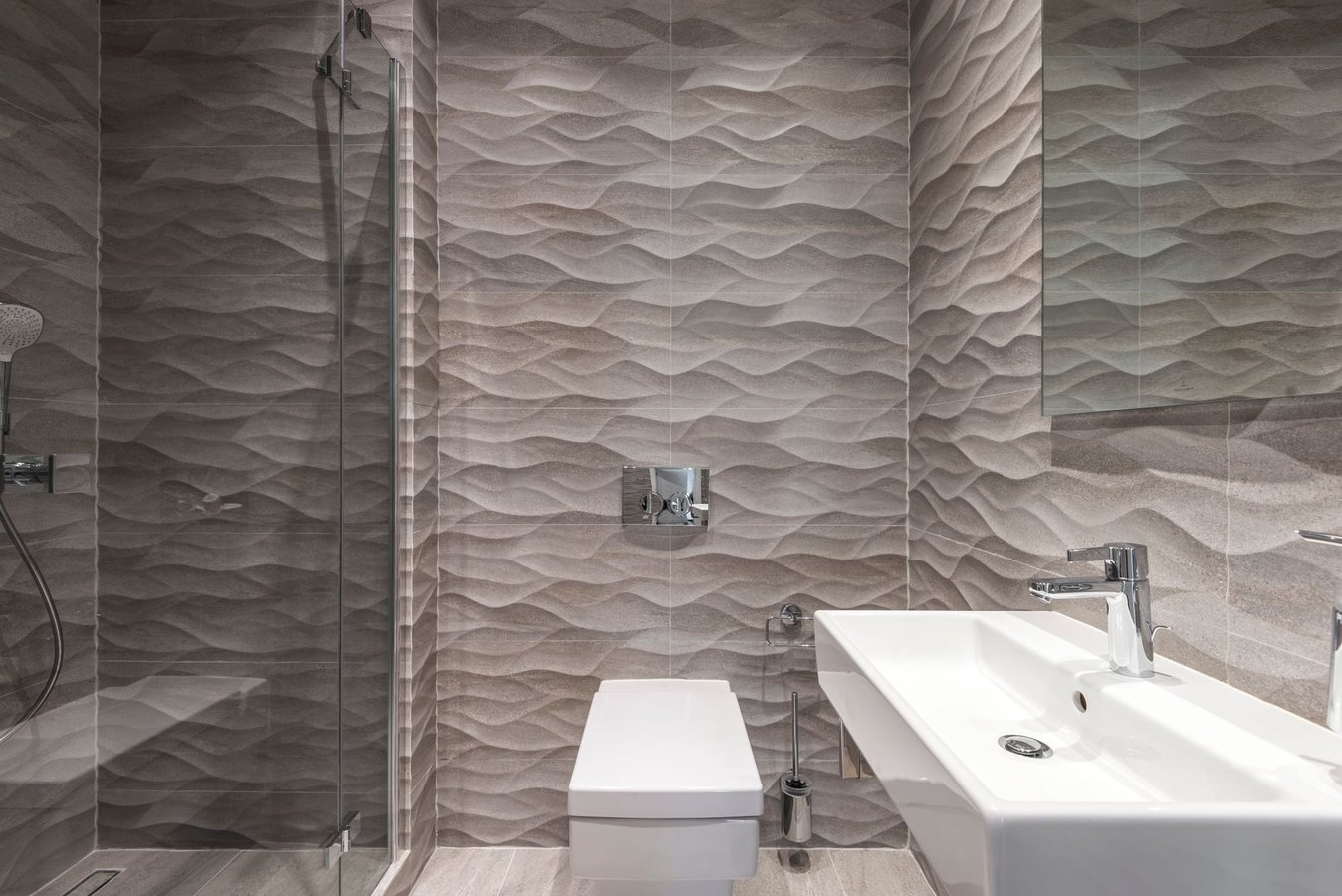
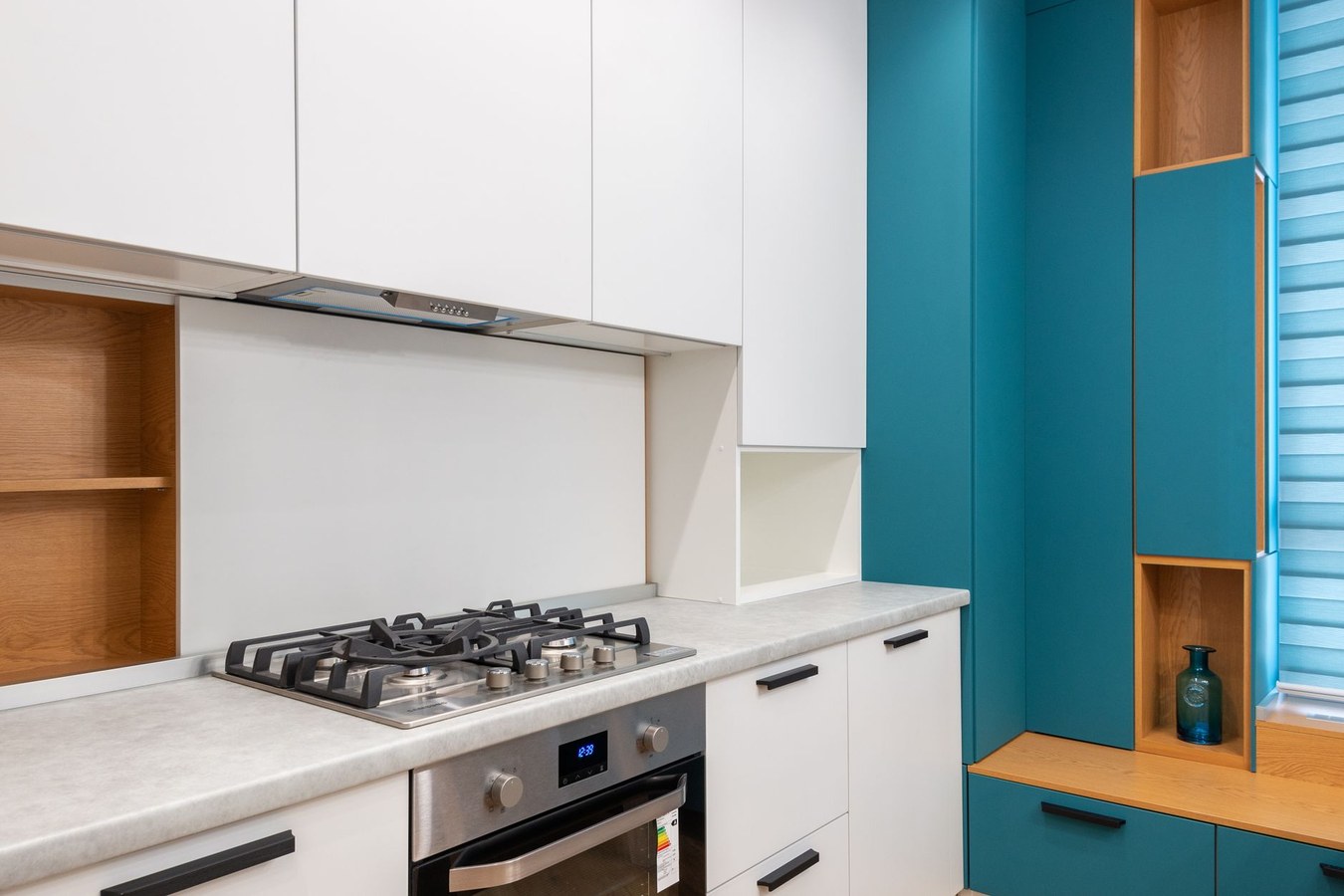
Before and after surface cleaning comparison showing mold removal and surface restoration
index visual 1

The Symptom Map

Select your cleaning challenge. We'll explain what's causing it and why it matters to your health.

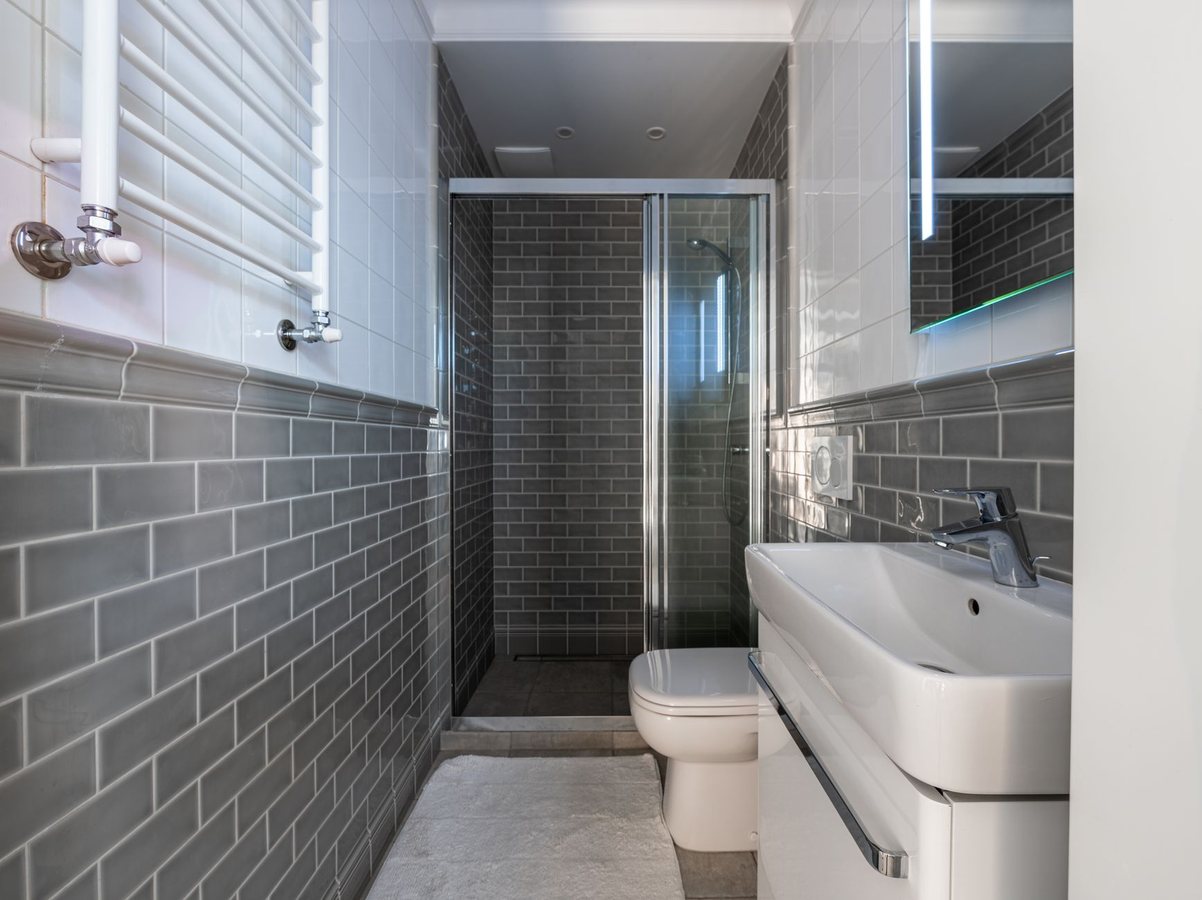
Mold & Mildew in Bathrooms

Black or green growth on grout and tiles indicates fungal colonies. Enzymatic cleaners break down the biofilm matrix that anchors spores, preventing regrowth for weeks longer than bleach alone.

Stubborn Grease & Buildup

Kitchen surfaces accumulate oxidized fats that resist water-based cleaning. Saponified plant oils and citric acid work together to emulsify grease without harsh solvents that trigger respiratory irritation.

Respiratory Irritation & Allergens

Chemical fumes and residual cleaners aggravate asthma and allergies. Non-toxic formulas eliminate volatile organic compounds while mechanical agitation removes dust and allergen particles trapped in fibers.

Hard Water Stains & Mineral Deposits

Calcium and magnesium buildup creates cloudy, etched surfaces. Acidic ingredients like citric acid dissolve mineral bonds without damaging natural stone or finishes.

Pet Odors & Organic Residue

Urine and organic matter decompose into ammonia and sulfur compounds. Enzymatic action targets the protein and uric acid chains at the molecular level, eliminating odor sources rather than masking them.
index visual 2

The Science Behind Non-Toxic Cleaning
87%
Enzymatic action breaks down organic biofilm in 20 minutes
pH Balance: Neutral formulas preserve surface integrity while maintaining cleaning efficacy across material types.
Mechanical Agitation: Brush bristles and surfactants work synergistically to lift particles without chemical aggression.
Ingredient Function: Each component targets a specific molecular bond—enzymes cleave proteins, acids dissolve minerals, oxidizers break down chromophores.
Microscopic view of enzymatic action breaking down biofilm structure and organic matter

Field Guide to Cleaning Ingredients

Each ingredient has one job. Here's what it does and why.

Proteases (Enzymes)
Break peptide bonds in proteins, biofilm, and organic residue. Replaces bleach for mold and mildew removal without respiratory irritation.
Safe for skin and lungs; biodegradable within 48 hours.
Citric Acid
Dissolves mineral deposits and hard water stains by chelating calcium and magnesium ions. Gentler than hydrochloric acid on natural stone.
Food-grade; non-toxic if ingested in small amounts.
Sodium Percarbonate
Oxidizing agent that breaks down chromophores (color molecules) in stains and mold. Releases oxygen, not chlorine gas.
Decomposes to water and sodium carbonate; no toxic residue.
Saponified Plant Oils
Natural surfactants that emulsify grease and oils without synthetic detergents. Reduces surface tension to lift particles.
Biodegradable; derived from renewable sources like coconut and palm.
Essential Oils
Antimicrobial and aromatic; some oils (tea tree, thyme) inhibit bacterial growth. Provides scent without synthetic fragrances.
Use in diluted form; some oils can irritate skin if undiluted.
Sodium Bicarbonate
Mild abrasive for scrubbing and deodorizing. Absorbs odors through chemical neutralization rather than masking.
Food-safe; commonly used in baking and personal care.

Detailed Flowcharts: Problem → Solution

Follow the decision tree for your specific cleaning failure.

1 Mold Removal Flowchart
Step 1: Identify Mold Type
Black mold (Stachybotrys) requires enzymatic treatment. Green mold (Aspergillus) responds to oxidizing agents. White mold (Penicillium) needs both. Inspect under UV light if unsure.
Step 2: Choose Your Method
For black mold: Apply protease enzyme solution, let sit 15 minutes, scrub with soft brush. For green/white: Use sodium percarbonate paste, apply 20 minutes, rinse thoroughly.
Step 3: Prevent Regrowth
Reduce humidity below 60% with ventilation. Enzymatic residue continues breaking down biofilm for 48 hours post-cleaning, creating a hostile environment for spore germination.
2 Grease Breakdown Flowchart
Step 1: Assess Grease Age
Fresh grease (days old) responds to saponified oils alone. Oxidized grease (weeks old) requires citric acid to break down polymerized chains first.
Step 2: Apply Correct Sequence
Fresh: Spray saponified oil solution, let sit 5 minutes, wipe. Oxidized: Spray citric acid first (10 min), then saponified oil (5 min), scrub gently, rinse.
Step 3: Verify Complete Removal
Run your finger across the surface—it should feel smooth, not slick. Residual grease indicates incomplete emulsification; repeat saponified oil step.
3 Allergen Elimination Flowchart
Step 1: Identify Allergen Source
Dust mites thrive in fabric and carpet. Pet dander accumulates on hard surfaces and upholstery. Mold spores settle in damp areas. Each requires different mechanical removal.
Step 2: Use Non-Chemical Agitation
HEPA vacuum first to remove particles. Then spray with water-based enzymatic solution to break down protein allergens (dust mite feces, pet dander proteins). Avoid chemical sprays that create volatile allergens.
Step 3: Verify Air Quality Improvement
Symptoms should improve within 24–48 hours if allergen removal is complete. Persistent irritation suggests incomplete cleaning or ongoing allergen source (e.g., pet still shedding in that area).

Still Have Questions?

Tell us your cleaning problem. We'll send you a personalized solution.